

Customizing other keys can be an appealing option for many businesses and individuals seeking specific functionalities or unique designs. As a supplier of other keys, I often encounter inquiries about the legal aspects of custom key production. In this blog post, I will explore the potential legal implications related to customizing other keys and provide insights to help you navigate this complex area.
Intellectual Property Rights
One of the primary legal concerns when customizing other keys is intellectual property rights. This includes patents, trademarks, and copyrights. If you are creating a custom key that incorporates a patented design or technology, you may be infringing on the patent holder's rights. Similarly, using a trademarked logo or design on a custom key without permission can lead to trademark infringement claims.
For example, if you want to create a custom key with a unique shape that is similar to a patented key design, you should first consult with a patent attorney to determine if you need a license or if your design is sufficiently different to avoid infringement. Trademark issues can also arise if you are using a well - known brand's logo on a key for promotional purposes without authorization.
It's important to conduct a thorough search of existing patents and trademarks before starting the customization process. You can use online databases such as the United States Patent and Trademark Office (USPTO) database to check for relevant patents and trademarks. If you are unsure, seeking legal advice from an intellectual property lawyer is highly recommended.
Product Liability
Product liability is another significant legal consideration when customizing other keys. As a supplier, you have a responsibility to ensure that the custom - made keys are safe and fit for their intended purpose. If a custom key causes injury or damage due to a defect in design, manufacturing, or materials, you may be held liable.
For instance, if a custom - made key breaks during use and causes damage to a lock or injury to a person, the injured party may file a product liability lawsuit against you. To mitigate this risk, you should implement strict quality control measures throughout the production process. This includes using high - quality materials, following industry - standard manufacturing processes, and conducting thorough testing of the custom keys before they are released to the market.
You may also want to consider obtaining product liability insurance to protect your business in case of a lawsuit. This type of insurance can cover legal fees, settlements, and damages awarded in a product liability case.
Regulatory Compliance
Customizing other keys may also be subject to various regulations, depending on the type of keys and their intended use. For example, keys used in certain industries such as automotive or aerospace may need to comply with specific safety and quality standards.
In the automotive industry, keys must meet strict requirements for security and functionality. If you are customizing keys for automotive applications, you need to ensure that they comply with relevant automotive standards and regulations. Failure to comply with these regulations can result in fines, product recalls, and damage to your reputation.
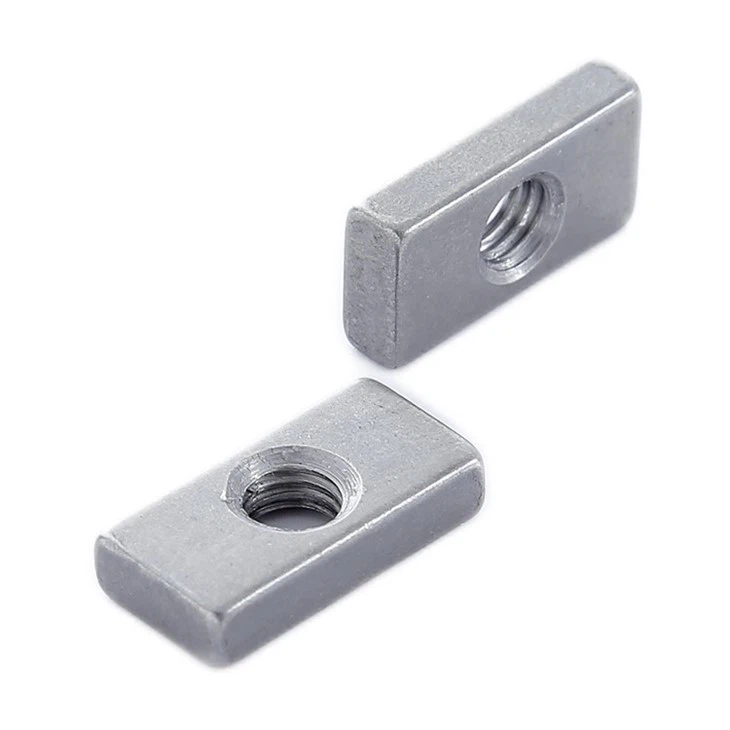

Similarly, keys used in the aerospace industry are subject to rigorous safety and quality control measures. You need to be aware of and adhere to all applicable aerospace regulations when customizing keys for this sector.
Contractual Obligations
When customizing other keys, you will likely enter into contracts with your customers. These contracts should clearly define the rights and obligations of both parties, including the scope of the customization, payment terms, delivery schedules, and intellectual property rights.
For example, the contract should specify who owns the intellectual property rights to the custom - designed key. If the customer provides a design, it's important to clarify whether they are granting you a license to use the design or transferring the ownership rights. The contract should also address issues such as confidentiality, warranties, and limitations of liability.
A well - drafted contract can help prevent disputes and protect your interests in case of a disagreement with the customer. It's advisable to have a lawyer review your contracts to ensure that they are legally sound and enforceable.
Examples of Custom Keys and Their Legal Implications
Let's take a look at some specific types of custom keys and the potential legal implications associated with them.
- Diy Woodruff Key: Diy Woodruff keys are often customized for specific machinery applications. Diy Woodruff Key may be subject to mechanical and safety regulations, especially if they are used in industrial equipment. Ensuring that the custom - made Woodruff keys meet the required mechanical specifications is crucial to avoid product liability issues.
- Din6887 Taper Keys with Gip Head: Din6887 Taper Keys with Gip Head are standardized keys, but customizing them may still require compliance with relevant DIN (Deutsches Institut für Normung) standards. Any deviation from these standards may lead to non - compliance issues and potential legal consequences.
- Din6880 Bright Key Steel: Din6880 Bright Key Steel is used in the production of keys. Customizing keys made from this steel should adhere to the quality and safety requirements associated with the steel grade. Using sub - standard steel or deviating from the manufacturing processes specified for Din6880 can result in product liability claims.
Conclusion
Customizing other keys can offer many benefits, but it also comes with a range of legal implications. As a supplier, it's essential to be aware of and address these legal issues to protect your business and ensure the success of your custom key products.
If you are considering customizing other keys, I encourage you to take the necessary steps to ensure legal compliance. This includes conducting thorough research on intellectual property rights, implementing quality control measures for product liability, complying with relevant regulations, and drafting clear contracts.
If you have any questions or are interested in purchasing custom - made other keys, I invite you to contact me for a detailed discussion. We can work together to understand your specific needs and ensure that the customization process is both legally compliant and tailored to your requirements.
References
- United States Patent and Trademark Office (USPTO)
- Product Liability Laws and Regulations in [Your Country]
- Industry - specific Standards and Regulations for Keys (e.g., Automotive, Aerospace)
