

Hey there! As a spring pins supplier, I often get asked a bunch of questions about our products. One question that pops up quite a bit is, "Can spring pins be used in low - temperature environments?" Well, let's dig into this topic and find out.
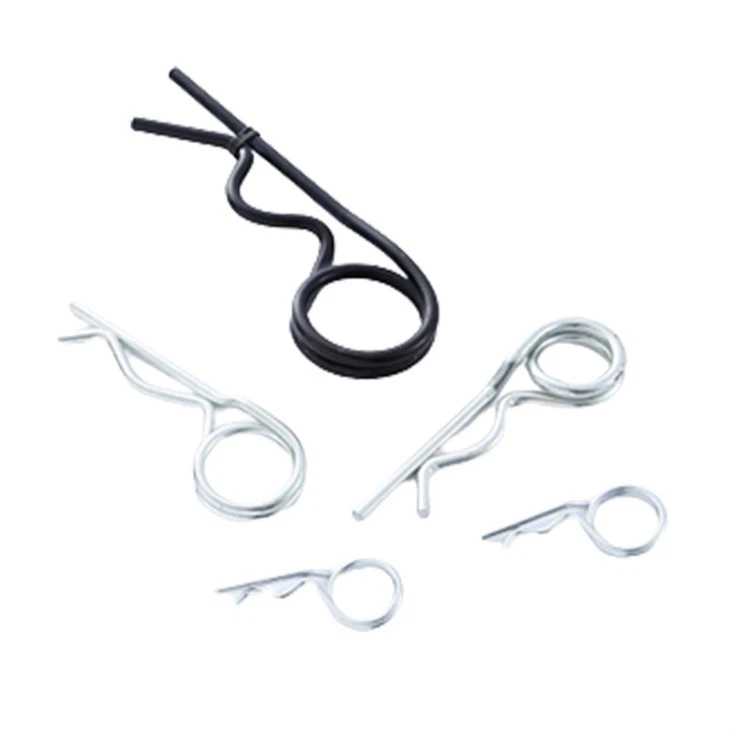
First off, let's understand what spring pins are. Spring pins are those nifty little fasteners that are designed to fit into holes and provide a secure connection. They're used in all sorts of applications, from automotive to aerospace, and even in everyday consumer products. There are different types of spring pins, like Din11024 R Cotter Pins, Iso8750 Or Din7344 Metric Spring Pins, and Din94 A Split Pin. Each type has its own unique features and uses.
Now, when it comes to low - temperature environments, things can get a bit tricky. Low temperatures can have a significant impact on the performance of materials. For spring pins, the main concerns are related to the material's properties changing and the potential for brittleness.
Most spring pins are made from materials like steel or stainless steel. These materials have different behaviors at low temperatures. Steel, for example, can become more brittle as the temperature drops. This brittleness can increase the risk of the spring pin cracking or breaking under stress. Stainless steel, on the other hand, generally has better low - temperature performance compared to regular steel. It retains its ductility (the ability to deform without breaking) to a lower temperature.
Let's talk about the specific effects of low temperatures on spring pins. One of the key properties of spring pins is their elasticity. They need to be able to flex and return to their original shape to work properly. At low temperatures, the elasticity of the material can change. The pin might become stiffer, which means it won't flex as easily. This can make it difficult to insert or remove the pin, and it might not provide the same level of holding force as it would at normal temperatures.
Another issue is corrosion. In low - temperature environments, moisture can condense on the surface of the spring pin. If the pin isn't properly protected, this moisture can lead to corrosion. Corrosion can weaken the pin over time, reducing its strength and performance.
However, it's not all bad news. There are ways to use spring pins in low - temperature environments effectively. First, choosing the right material is crucial. As I mentioned earlier, stainless steel is a better option for low - temperature applications. There are also special alloys that are specifically designed to perform well in cold conditions.
Surface treatments can also help. Applying a protective coating to the spring pin can prevent corrosion and improve its performance in low - temperature environments. Coatings like zinc plating or epoxy coatings can provide an extra layer of protection.
Proper installation is also important. When installing spring pins in low - temperature environments, you need to be extra careful. The pins might be more difficult to insert, so using the right tools and techniques is essential. Make sure the holes are clean and free of debris, and apply the right amount of force to ensure a proper fit.

Let's take a look at some real - world examples. In the automotive industry, spring pins are used in various components. In cold climates, these pins need to withstand low temperatures while still providing a reliable connection. Manufacturers often use high - quality stainless steel spring pins and apply special coatings to ensure their performance.
In the aerospace industry, where temperature variations can be extreme, spring pins need to be even more reliable. Special alloys and advanced manufacturing techniques are used to produce spring pins that can perform well in low - temperature environments.
So, can spring pins be used in low - temperature environments? The answer is yes, but with some considerations. You need to choose the right material, apply appropriate surface treatments, and ensure proper installation.
If you're in the market for spring pins for low - temperature applications, don't hesitate to reach out. We've got a wide range of spring pins, including Din11024 R Cotter Pins, Iso8750 Or Din7344 Metric Spring Pins, and Din94 A Split Pin. Our team of experts can help you select the right product for your specific needs. Whether you're working on a small project or a large - scale industrial application, we've got you covered.
We're committed to providing high - quality spring pins that meet the highest standards. We understand the challenges of using spring pins in low - temperature environments, and we're here to help you find the best solutions. So, if you have any questions or want to discuss your requirements, just drop us a line. We're looking forward to working with you and helping you get the most out of your spring pins in low - temperature environments.
References
- "Mechanical Properties of Metals at Low Temperatures" - A technical guide on how metals behave in cold conditions.
- "Fasteners for Extreme Environments" - A study on the performance of fasteners, including spring pins, in various harsh environments.
