

Hey there! As a supplier of taper pins, I often get asked the question: "Can taper pins be reused?" It's a valid concern, especially when you're trying to save costs and make the most out of your resources. In this blog post, I'll dive deep into this topic and share my insights based on years of experience in the industry.
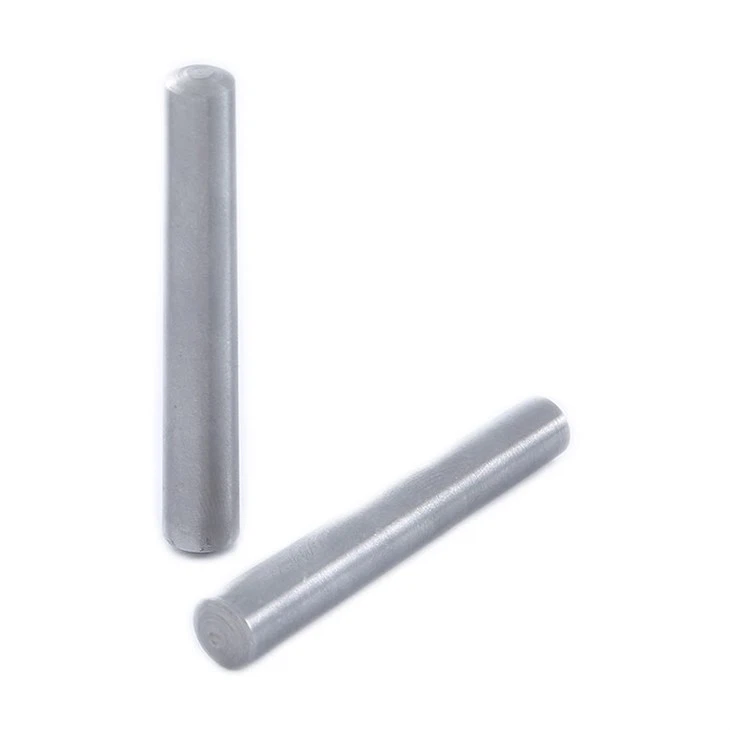
First off, let's understand what taper pins are. Taper pins are small, tapered cylindrical pins used to align and secure parts in machinery and other applications. They come in various sizes and standards, such as Din7978 Tapped Dowel Pin, Din7977 Spiral Dowel Pins, and Din1 Metric Tapered Dowel Pins. These pins are designed to fit snugly into tapered holes, providing a secure and precise connection.
Now, back to the question at hand: Can taper pins be reused? The short answer is, it depends. There are several factors to consider before deciding whether to reuse a taper pin.
Condition of the Pin
The first thing you need to check is the condition of the taper pin. If the pin has been damaged, bent, or corroded, it's probably not a good idea to reuse it. Damaged pins may not fit properly into the tapered holes, which can lead to a loose connection and potential safety hazards. For example, if the pin has been bent during removal, it won't be able to provide the same level of stability and alignment as a new pin.
To assess the condition of the pin, you can visually inspect it for any signs of damage. Look for cracks, bends, or signs of wear and tear. You can also use a micrometer or caliper to measure the diameter of the pin at different points. If the diameter has changed significantly, it's a sign that the pin has been deformed and may not be suitable for reuse.
Wear and Tear
Another important factor to consider is the amount of wear and tear the pin has experienced. Taper pins are subjected to various forces and stresses during use, which can cause them to wear down over time. If the pin has been used in a high-stress application or has been repeatedly inserted and removed, it may have worn out to the point where it's no longer effective.
One way to determine the level of wear is to check the surface of the pin. If it looks rough or has visible signs of abrasion, it's likely that the pin has worn down. You can also compare the pin to a new one to see if there are any noticeable differences in size or shape. If the worn pin is significantly smaller or has a different taper angle, it may not fit properly into the tapered hole and should not be reused.
Application Requirements
The nature of the application also plays a crucial role in deciding whether to reuse a taper pin. Some applications require a high level of precision and reliability, such as in aerospace or medical equipment. In these cases, it's generally recommended to use new taper pins to ensure the safety and performance of the equipment.
On the other hand, for less critical applications where the level of precision is not as important, reusing a taper pin may be acceptable. For example, in some DIY projects or non-critical machinery, a slightly worn pin may still be able to provide a sufficient connection. However, you should always assess the specific requirements of the application and make an informed decision based on the potential risks and benefits.
Benefits of Reusing Taper Pins
If the taper pin is in good condition and the application allows for it, there are several benefits to reusing taper pins. One of the main advantages is cost savings. Buying new pins can be expensive, especially if you need a large quantity. By reusing pins, you can reduce your costs and save money in the long run.
Another benefit is environmental sustainability. Reusing pins helps to reduce waste and conserve resources. Instead of throwing away perfectly good pins, you can give them a second life and contribute to a more sustainable manufacturing process.
Steps to Reuse Taper Pins
If you've decided that reusing a taper pin is a viable option, here are some steps you can follow to ensure a successful reuse:
- Clean the Pin: Before reusing the pin, make sure to clean it thoroughly to remove any dirt, debris, or oil. You can use a degreaser or a mild solvent to clean the pin, followed by a rinse with water and a dry with a clean cloth.
- Inspect the Hole: Check the tapered hole where the pin will be inserted. Make sure it's clean and free of any debris or damage. If the hole has been worn or damaged, it may need to be repaired or reamed to ensure a proper fit.
- Lubricate the Pin: Applying a small amount of lubricant to the pin can help it slide into the tapered hole more easily and reduce the risk of damage. You can use a light machine oil or a specialized lubricant designed for metal parts.
- Insert the Pin: Carefully insert the pin into the tapered hole, making sure it's aligned properly. Use a gentle tapping motion with a hammer or a mallet to drive the pin in until it's fully seated. Avoid using excessive force, as this can damage the pin or the hole.
- Test the Connection: Once the pin is inserted, test the connection to make sure it's secure. Try to move the parts that are being held together by the pin and see if there is any movement or play. If the connection feels loose, the pin may not be fitting properly, and you may need to remove it and try again or use a new pin.
When to Replace Taper Pins
While reusing taper pins can be a cost-effective and sustainable option in some cases, there are situations where it's best to replace the pins with new ones. Here are some scenarios where you should consider using new taper pins:
- Critical Applications: As mentioned earlier, applications that require a high level of precision and reliability, such as in aerospace, automotive, or medical equipment, should always use new taper pins to ensure safety and performance.
- Severe Damage: If the pin has been severely damaged, such as being cracked, broken, or bent beyond repair, it's essential to replace it with a new one. Using a damaged pin can lead to serious safety issues and equipment failure.
- Excessive Wear: If the pin has worn down significantly and no longer fits properly into the tapered hole, it's time to get a new pin. Worn pins can cause a loose connection, which can result in vibrations, misalignment, and premature wear of other components.
- New Equipment or Assembly: When assembling new equipment or replacing components, it's generally recommended to use new taper pins to ensure a proper fit and a reliable connection.
Conclusion
So, can taper pins be reused? The answer is yes, but only under the right circumstances. By carefully assessing the condition of the pin, considering the level of wear and tear, and evaluating the application requirements, you can determine whether reusing a taper pin is a viable option. If the pin is in good condition and the application allows for it, reusing the pin can save you money and help reduce waste. However, in critical applications or when the pin is damaged or worn out, it's best to use new taper pins to ensure the safety and performance of your equipment.
If you have any questions about taper pins or need help selecting the right pins for your application, feel free to reach out to us. We're here to assist you and provide you with the best solutions for your needs. Whether you're looking for Din7978 Tapped Dowel Pin, Din7977 Spiral Dowel Pins, or Din1 Metric Tapered Dowel Pins, we have a wide range of high-quality taper pins to choose from. Contact us today to start a procurement discussion and find the perfect pins for your project.

References
- Machinery's Handbook, 31st Edition
- ASME B18.8.2 - Taper Pins
- ISO 2338 - Parallel and Taper Pins
