

When it comes to the world of mechanical components, the noise level produced when keys are pressed is a topic that often goes unnoticed. As a supplier of Other Keys, I've delved deep into this subject to understand if different keys indeed have varying noise levels when pressed. In this blog, I'll share my insights and findings on this matter.
The Basics of Key Noise
Before we explore whether other keys have different noise levels, it's essential to understand what causes key noise in the first place. When a key is pressed, several factors contribute to the sound it makes. The material of the key, the mechanism it interacts with, and the force applied during pressing all play significant roles.
For instance, keys made of hard materials like metal tend to produce a sharper and louder noise compared to those made of softer materials such as plastic. The design of the key and the way it fits into the locking or coupling system also affects the noise. A loose - fitting key may rattle and create additional noise, while a well - designed and precisely machined key may have a more consistent and potentially quieter operation.
Material - Based Noise Differences
Let's start by examining how different materials impact the noise level of keys. Metal keys are a common choice in many industrial applications due to their strength and durability. Among metal keys, those made from high - carbon steel can produce a distinct, sharp click when pressed. This is because the hard surface of the steel doesn't deform easily under pressure, and the sudden movement within the keyway creates a quick, forceful impact that generates sound.
On the other hand, brass keys are known for their slightly softer sound. Brass has a lower hardness compared to steel, and it absorbs some of the energy during the pressing action. This results in a more muted noise. Aluminum keys, being even lighter and softer than brass, generally produce the quietest noise among common metal keys. The lower density and malleability of aluminum allow it to dampen the sound vibrations more effectively.
Plastic keys, often used in consumer products or less - demanding applications, usually make a dull thud when pressed. The soft nature of plastic absorbs most of the impact energy, reducing the sound intensity. However, the quality of the plastic and its manufacturing process can also influence the noise level. High - quality engineered plastics may produce a more consistent and less noisy operation compared to cheap, brittle plastics.
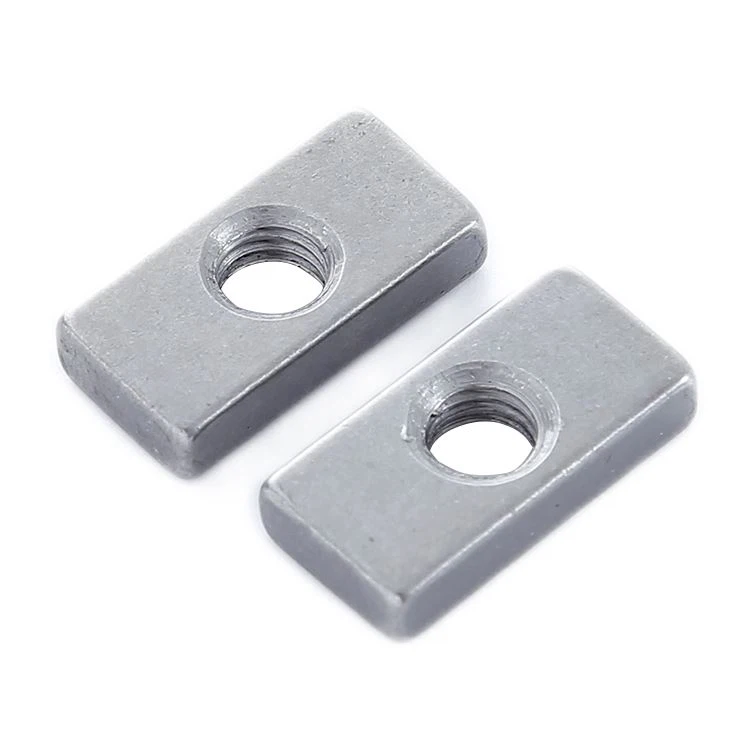
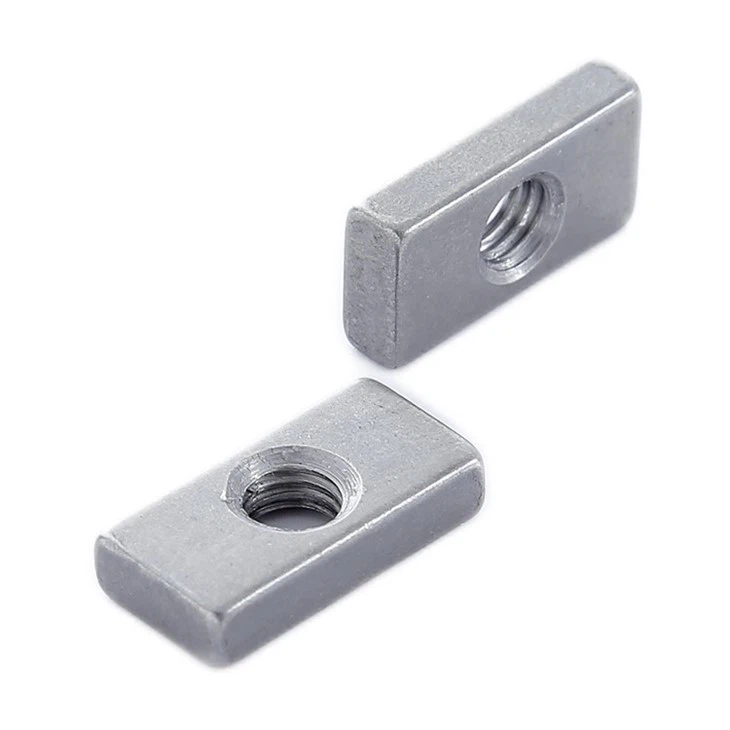
Key Design and Noise
The design of a key also plays a crucial role in determining its noise level. For example, a simple flat key has a straightforward interaction with the keyway. When pressed, it slides in and out with relatively little complexity. However, if the key has a rough surface or if the keyway is not well - machined, it can cause friction and create a scraping or scratching noise.
On the contrary, a more complex key design, such as a Diy Woodruff Key, may have a different noise profile. The curved shape of a Woodruff key and its unique way of fitting into a semi - circular keyway can result in a different set of sound characteristics. The interaction between the curved surface and the keyway may produce a more rounded or less abrupt noise compared to a flat key.
Keys with special features like serrations or grooves can also have distinct noise patterns. Serrated keys may create a series of small clicks as the serrations engage with the corresponding parts in the keyway. The number, size, and spacing of the serrations all affect the resulting noise.
Industrial Applications and Noise Considerations
In industrial settings, the noise level of keys can be a significant concern. In manufacturing plants where machinery operates continuously, excessive key noise can contribute to overall noise pollution. This not only affects the working environment for employees but can also be an indicator of potential mechanical problems.
For example, in a high - speed rotating machinery, a noisy key may suggest misalignment or wear in the keyway. If a key is making an unusual amount of noise, it could lead to premature failure of the key or the connected components. Therefore, in industries such as automotive, aerospace, and heavy machinery, engineers pay close attention to the noise characteristics of keys during the design and maintenance processes.
In some cases, noise - reducing measures are taken. This can include using keys made from materials with better sound - dampening properties or applying lubricants to reduce friction and noise. Lubricants can also help prevent wear and tear, which in turn can reduce the likelihood of noisy operation over time.
Testing and Measuring Key Noise
To accurately determine if other keys have different noise levels, proper testing and measurement methods are required. One common approach is to use a sound level meter. This device can measure the intensity of the sound produced when a key is pressed under controlled conditions.
The testing setup typically involves a fixture that holds the key and the keyway in a stable position. A controlled force is applied to the key using a mechanical actuator, and the sound level meter records the noise at a fixed distance from the key. Multiple tests are conducted to ensure accuracy, and the results are analyzed to compare the noise levels of different keys.
Another method is to use a vibration sensor in conjunction with the sound level meter. The vibration sensor can detect the mechanical vibrations that are closely related to the sound production. By analyzing both the sound and vibration data, a more comprehensive understanding of the key's noise - generating mechanism can be obtained.
Specific Key Types and Their Noise
Let's take a look at some specific types of other keys and their noise characteristics. Din6880 Bright Key Steel keys are widely used in precision engineering applications. These keys are made from high - quality steel and are known for their precise dimensions. Due to their high - quality manufacturing and the nature of the steel, they usually produce a clear, distinct click when pressed. The well - defined edges and smooth surface of the Din6880 keys result in a consistent noise pattern that can be an advantage in applications where a reliable feedback sound is desired.
Din6887 Taper Keys with Gip Head have a unique design. The tapered shape and the gip head provide a secure fit in the keyway. When pressed, these keys may produce a slightly different noise compared to straight keys. The tapering action as the key is inserted or removed can create a more gradual change in the sound, starting with a softer noise as the key begins to engage and then a louder click as it reaches its fully seated position.
Conclusion and Call to Action
In conclusion, it's evident that other keys do have different noise levels when pressed. The material, design, and application of the key all contribute to these differences. As a supplier of Other Keys, I understand the importance of providing keys that meet not only the mechanical requirements but also the noise - related needs of our customers.
Whether you're in an industrial setting where noise control is crucial or a consumer looking for a quiet - operating key, we have a wide range of options to choose from. Our team of experts can help you select the right key based on your specific noise requirements. If you're interested in learning more about our products or have any questions regarding key noise, please don't hesitate to reach out to us for a procurement discussion. We're here to assist you in finding the perfect key solution for your needs.
References
- "Mechanical Design Handbook" by Robert C. Juvinall and Kurt M. Marshek
- "Materials Science and Engineering: An Introduction" by William D. Callister Jr. and David G. Rethwisch
- Industry - specific technical papers on key design and noise analysis from various engineering journals.
