

Preload, a fundamental concept in the design and operation of linear guides, plays a pivotal role in determining their performance. As a seasoned linear guide supplier, I've witnessed firsthand how the right preload can transform a good linear guide into an exceptional one, enhancing precision, rigidity, and overall functionality. In this blog post, I'll delve into the intricate relationship between preload and linear guide performance, exploring how it affects various aspects of these essential components.
Understanding Preload in Linear Guides
Before we dive into the effects of preload, let's first understand what it is. Preload refers to the intentional application of a load to the rolling elements (such as balls or rollers) in a linear guide before any external load is applied. This initial load eliminates the clearance between the rolling elements and the raceways, ensuring constant contact and preventing backlash. Preload can be adjusted to suit specific application requirements, and it is typically measured in terms of the force applied to the rolling elements.
There are several methods for applying preload in linear guides, including using shims, springs, or adjusting the fit between the components. The choice of preload method depends on factors such as the type of linear guide, the application requirements, and the desired level of precision.
Effects of Preload on Rigidity
One of the primary benefits of preload is increased rigidity. When a linear guide is preloaded, the rolling elements are in constant contact with the raceways, creating a stiffer structure. This increased rigidity reduces deflection under load, allowing the linear guide to maintain its position more accurately. As a result, the guide can handle higher loads without excessive bending or deformation, making it ideal for applications that require high precision and stability.
For example, in machine tools such as CNC machining centers, preloaded linear guides are essential for achieving accurate cutting and shaping of workpieces. The increased rigidity provided by preload helps to minimize vibrations and deflection, resulting in smoother operation and better surface finish.
Impact on Precision and Repeatability
Precision and repeatability are critical factors in many linear guide applications, such as robotics, semiconductor manufacturing, and medical equipment. Preload plays a crucial role in achieving these qualities by eliminating backlash and ensuring consistent movement.
Backlash, or the free play between the rolling elements and the raceways, can cause inaccuracies in positioning and reduce the repeatability of the linear guide. By applying preload, the clearance is eliminated, and the rolling elements are held firmly in place, resulting in more precise and repeatable motion.
In addition, preload helps to maintain the accuracy of the linear guide over time. As the guide is subjected to repeated use and wear, the preload helps to compensate for any changes in the clearance between the components, ensuring that the guide continues to perform at a high level.
Influence on Load Capacity
Another important aspect of linear guide performance is load capacity. Preload can have a significant impact on the load-carrying ability of a linear guide by distributing the load more evenly across the rolling elements.
When a linear guide is preloaded, the rolling elements are in contact with the raceways under a constant force, which helps to prevent overloading of individual elements. This even distribution of load allows the guide to handle higher loads without premature failure, increasing its overall load capacity.
However, it's important to note that excessive preload can also have a negative effect on load capacity. If the preload is too high, it can cause excessive stress on the rolling elements and the raceways, leading to increased wear and reduced lifespan. Therefore, it's crucial to select the appropriate preload level based on the specific application requirements.
Effects on Friction and Wear
Friction and wear are inevitable in any mechanical system, and linear guides are no exception. Preload can have both positive and negative effects on friction and wear, depending on the application and the preload level.
On the one hand, preload can reduce friction by eliminating the clearance between the rolling elements and the raceways. This constant contact helps to prevent sliding and reduces the amount of energy lost due to friction, resulting in more efficient operation.
On the other hand, excessive preload can increase friction and wear by causing the rolling elements to rub against the raceways with greater force. This increased friction can generate heat, which can further accelerate wear and reduce the lifespan of the linear guide.
Therefore, it's important to find the right balance between preload and friction to minimize wear and ensure long-term performance. This can be achieved by selecting the appropriate preload level based on the application requirements and by using high-quality lubricants to reduce friction and wear.
Considerations for Different Types of Linear Guides
The effects of preload can vary depending on the type of linear guide being used. There are several types of linear guides available, including Sliding Guideways, Roller Guideways, and Cnc Slide Rails, each with its own unique characteristics and performance requirements.

- Sliding Guideways: Sliding guideways rely on a sliding motion between the guide and the moving component. Preload can be used to improve the rigidity and precision of sliding guideways by reducing the clearance between the sliding surfaces. However, excessive preload can increase friction and wear, so it's important to select the appropriate preload level based on the application requirements.
- Roller Guideways: Roller guideways use rolling elements (such as rollers) to reduce friction and improve the efficiency of the linear motion. Preload can be applied to roller guideways to increase rigidity, precision, and load capacity. However, as with sliding guideways, excessive preload can cause increased friction and wear, so it's important to find the right balance.
- Cnc Slide Rails: CNC slide rails are a type of linear guide commonly used in CNC machining centers and other precision machinery. Preload is essential for achieving high precision and repeatability in CNC slide rails, as it helps to eliminate backlash and ensure consistent movement. However, the preload level must be carefully selected to avoid excessive stress on the components and to ensure long-term performance.
Selecting the Right Preload Level
Selecting the right preload level is crucial for optimizing the performance of a linear guide. The appropriate preload level depends on several factors, including the application requirements, the type of linear guide, and the operating conditions.
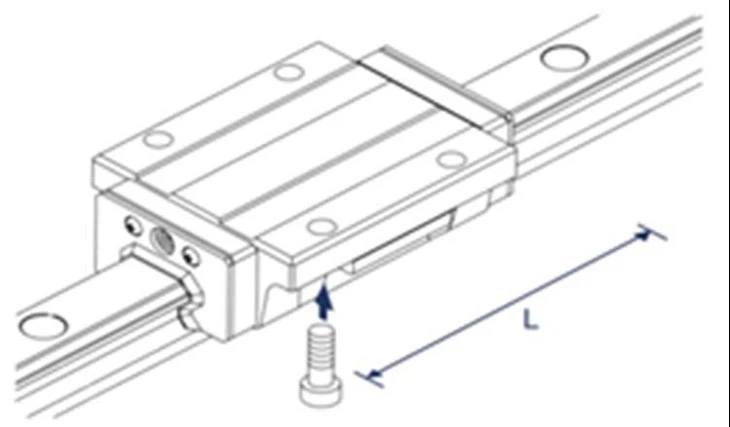
Here are some general guidelines to consider when selecting the preload level:
- Application Requirements: Consider the specific requirements of the application, such as the required precision, load capacity, and speed. Applications that require high precision and stability typically require a higher preload level, while applications that require high speed and low friction may require a lower preload level.
- Type of Linear Guide: Different types of linear guides have different preload requirements. For example, roller guideways generally require a higher preload level than sliding guideways to achieve the same level of rigidity and precision.
- Operating Conditions: Consider the operating conditions, such as the temperature, humidity, and presence of contaminants. Extreme operating conditions can affect the performance of the linear guide and may require a different preload level.
It's also important to consult with the linear guide manufacturer or a qualified engineer to determine the appropriate preload level for your specific application. They can provide valuable insights and recommendations based on their expertise and experience.
Conclusion
In conclusion, preload is a critical factor in determining the performance of a linear guide. By eliminating clearance, increasing rigidity, improving precision and repeatability, and enhancing load capacity, preload can significantly enhance the functionality and reliability of linear guides in a wide range of applications.
However, it's important to select the appropriate preload level based on the specific application requirements, the type of linear guide, and the operating conditions. Excessive preload can have a negative effect on performance, increasing friction, wear, and the risk of premature failure.
As a linear guide supplier, I understand the importance of preload and its impact on performance. I'm committed to providing high-quality linear guides that are optimized for specific applications, with the right preload level to ensure maximum performance and reliability.
If you're in the market for linear guides or have any questions about preload or linear guide performance, I encourage you to [contact us](javascript:void(0);) to discuss your requirements. Our team of experts is here to help you select the right linear guide for your application and to provide you with the support and guidance you need to ensure its successful implementation.
References
- Budynas, R. G., & Nisbett, J. K. (2011). Shigley's Mechanical Engineering Design. McGraw-Hill.
- Juvinall, R. C., & Marshek, K. M. (2011). Fundamentals of Machine Component Design. Wiley.
- Harris, T. A., & Kotzalas, M. N. (2007). Rolling Bearing Analysis. Wiley.
