

Ball screws are crucial components in various industrial applications, offering high precision, efficiency, and reliability. However, one common issue that can disrupt operations is ball screw jamming. As a leading ball screw supplier, we understand the challenges and importance of preventing this problem. In this blog, we'll explore the causes of ball screw jamming and provide practical solutions to keep your machinery running smoothly.
Understanding Ball Screw Jamming
Ball screw jamming occurs when the ball bearings within the screw assembly are unable to move freely, causing the screw to stop or operate erratically. This can lead to decreased performance, increased wear and tear on the components, and even complete machine failure. There are several factors that can contribute to ball screw jamming, including:
1. Contamination
Contamination is one of the most common causes of ball screw jamming. Dust, dirt, metal shavings, and other foreign particles can enter the ball screw assembly and interfere with the smooth movement of the ball bearings. This can cause the bearings to bind, leading to jamming.
2. Lack of Lubrication
Proper lubrication is essential for the smooth operation of ball screws. Without adequate lubrication, the ball bearings can experience increased friction and wear, which can lead to jamming. Over time, the lubricant can break down or become contaminated, reducing its effectiveness.
3. Misalignment
Misalignment of the ball screw and its associated components can also cause jamming. If the screw is not properly aligned with the nut or the housing, the ball bearings may not be able to move freely, leading to binding and jamming.
4. Overloading
Exceeding the recommended load capacity of the ball screw can put excessive stress on the components, causing them to deform or fail. This can lead to jamming and other issues.
5. Wear and Tear
Over time, the ball bearings and other components of the ball screw assembly can wear out, reducing their performance and increasing the risk of jamming. Regular maintenance and inspection can help identify and address wear and tear before it becomes a major problem.
Preventive Measures
To prevent ball screw jamming, it's important to take a proactive approach to maintenance and care. Here are some practical steps you can take:
1. Keep the Environment Clean
One of the most effective ways to prevent contamination is to keep the environment around the ball screw clean. This includes regularly cleaning the work area, using proper dust covers, and ensuring that all equipment is properly maintained.
2. Use High-Quality Lubricants
Using high-quality lubricants is essential for the smooth operation of ball screws. Make sure to choose a lubricant that is specifically designed for ball screw applications and follow the manufacturer's recommendations for application and replacement intervals.
3. Ensure Proper Alignment
Proper alignment of the ball screw and its associated components is crucial for preventing jamming. Make sure to follow the manufacturer's installation instructions carefully and use alignment tools to ensure that the screw is properly aligned.
4. Avoid Overloading
To prevent overloading, make sure to choose a ball screw that is rated for the specific load requirements of your application. Avoid exceeding the recommended load capacity and monitor the load on the screw regularly.
5. Perform Regular Maintenance
Regular maintenance is essential for the long-term performance of ball screws. This includes inspecting the components for wear and tear, cleaning the assembly, and replacing any worn or damaged parts. Make sure to follow the manufacturer's maintenance schedule and use the recommended tools and procedures.
6. Train Your Staff
Proper training of your staff is essential for preventing ball screw jamming. Make sure that all operators are familiar with the proper use and maintenance of the ball screws and understand the importance of following safety procedures.

Choosing the Right Ball Screw
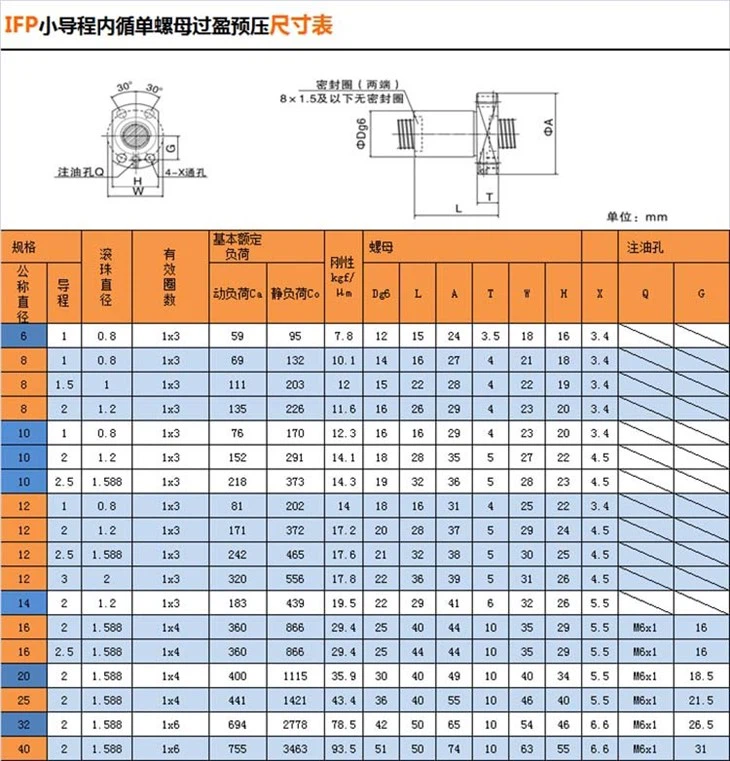
Choosing the right ball screw for your application is also important for preventing jamming. At our company, we offer a wide range of ball screws to meet the needs of various industries and applications. Our Samll Ball Screw is ideal for applications where space is limited, while our Micro Ball Screw offers high precision and performance in small-scale applications. For longer travel distances, our Long Ball Screw provides reliable and efficient operation.
When choosing a ball screw, it's important to consider the following factors:
1. Load Capacity
Make sure to choose a ball screw that is rated for the specific load requirements of your application. Consider both the static and dynamic loads that the screw will be subjected to.
2. Precision
The precision of the ball screw is important for applications that require high accuracy. Consider the lead accuracy, repeatability, and backlash of the screw.
3. Speed
The speed at which the ball screw will operate is also an important factor to consider. Make sure to choose a screw that is capable of operating at the required speed without overheating or experiencing excessive wear.
4. Environment
The environment in which the ball screw will be used can also affect its performance. Consider factors such as temperature, humidity, and the presence of contaminants.
Conclusion
Ball screw jamming can be a frustrating and costly problem, but it can be prevented with proper maintenance and care. By following the preventive measures outlined in this blog and choosing the right ball screw for your application, you can ensure the smooth operation of your machinery and avoid costly downtime.
If you have any questions or need assistance in choosing the right ball screw for your application, please don't hesitate to contact us. Our team of experts is here to help you find the best solution for your needs.
References
- "Ball Screw Handbook" by Thomson Industries
- "Mechanical Design Handbook" by Robert C. Juvinall and Kurt M. Marshek
- "Machine Design: An Integrated Approach" by Robert L. Norton
