

Hey there! As a supplier of linear guides, I've seen firsthand how the noise from these components can be a real pain in the neck for a lot of folks. Whether you're in a factory setting where the constant racket can be a safety hazard and a morale - killer, or you're working on a precision project where even the slightest noise can indicate a problem, reducing that linear guide noise is crucial. So, let's dive into some practical ways to tackle this issue.
Understanding the Sources of Noise
Before we start fixing the problem, we need to know where it's coming from. There are several common causes of noise in linear guides.
One major culprit is the friction between the moving parts. When the slider moves along the rail, the contact surfaces rub against each other. If the surfaces aren't smooth enough or if there's debris in between, it can create a grinding or rattling noise. Another source is the impact between the balls (in ball - type linear guides) and the raceways. Every time the balls roll over imperfections in the raceway, they can make a clicking or popping sound.
Vibration can also be a significant contributor. If the linear guide is not properly installed or if the machine it's part of has unbalanced components, it can cause the guide to vibrate, which in turn generates noise.
Choose the Right Linear Guide
The first step in reducing noise is to pick the right linear guide for your application. Different types of linear guides have different noise characteristics. For example, Sliding Guideways generally produce more noise compared to ball - type or roller - type linear guides. That's because sliding involves more direct contact and friction between the surfaces.
If noise is a major concern, you might want to consider Motion Linear Guide. These guides are designed with precision in mind, and they often have features that help reduce noise. For instance, some motion linear guides have special ball - retainer designs that minimize the impact between the balls and the raceways, thus reducing the clicking noise.
Surface Treatment
The surface finish of the linear guide plays a huge role in noise reduction. A smoother surface means less friction and less noise. We can use various surface - treatment techniques to achieve this.
One common method is grinding. Grinding the rail and slider surfaces can remove any rough spots and create a more uniform surface. This not only reduces noise but also improves the overall performance and lifespan of the linear guide.
Another option is coating. Special coatings can be applied to the surfaces of the linear guide. These coatings can act as a lubricant and a buffer, reducing friction and minimizing the impact between the moving parts. Some coatings also have anti - corrosion properties, which is an added bonus.
Lubrication
Proper lubrication is essential for reducing noise in linear guides. Lubricants can fill the gaps between the moving parts, reducing friction and damping vibrations.
There are different types of lubricants available, such as grease and oil. Grease is a popular choice because it stays in place better and provides long - term lubrication. However, it can get dirty over time and might need to be replaced. Oil, on the other hand, offers better heat dissipation and can flow more easily, but it requires a more complex lubrication system to keep it in place.
When choosing a lubricant, make sure it's compatible with the materials of the linear guide. Using the wrong lubricant can cause damage to the surfaces and actually increase the noise. Also, follow the manufacturer's recommendations on the amount and frequency of lubrication.
Installation and Alignment
How you install and align the linear guide can have a big impact on noise levels. If the guide is not installed correctly, it can cause uneven stress distribution and excessive vibration.
First, make sure the mounting surface is clean and flat. Any dirt or unevenness on the mounting surface can transfer to the linear guide and cause noise. Use a precision level to ensure that the guide is installed perfectly horizontal or vertical, depending on your application.
Alignment is also crucial. Misaligned linear guides can cause the slider to bind or move unevenly, which generates noise. Use alignment tools to ensure that the rails are parallel to each other and that the slider moves smoothly along the rail.
Damping and Isolation
If you're still dealing with noise after taking all the above steps, you can consider adding damping and isolation components.
Damping materials can absorb vibrations and reduce noise. For example, rubber pads or springs can be placed between the linear guide and the mounting surface. These materials can act as a buffer, absorbing the vibrations before they are transmitted to the surrounding environment.
Isolation mounts can also be used to separate the linear guide from the rest of the machine. This can prevent vibrations from spreading and causing additional noise.
Maintenance
Regular maintenance is key to keeping the noise levels of your linear guide under control. Over time, dirt, dust, and debris can accumulate on the linear guide, which can increase friction and noise.
Clean the linear guide regularly using a soft brush and a suitable cleaning agent. Make sure to remove any dirt or debris from the rail and slider surfaces. Check the lubrication level and replenish it as needed.
Inspect the linear guide for any signs of wear or damage. If you notice any cracks, chips, or excessive wear on the rail or slider, replace the damaged parts immediately. Ignoring these issues can lead to more serious problems and increased noise levels.
Conclusion
Reducing the noise of a linear guide is a multi - step process that involves choosing the right guide, proper surface treatment, lubrication, installation, damping, and maintenance. By following these steps, you can significantly reduce the noise levels of your linear guide and improve the overall performance of your machine.
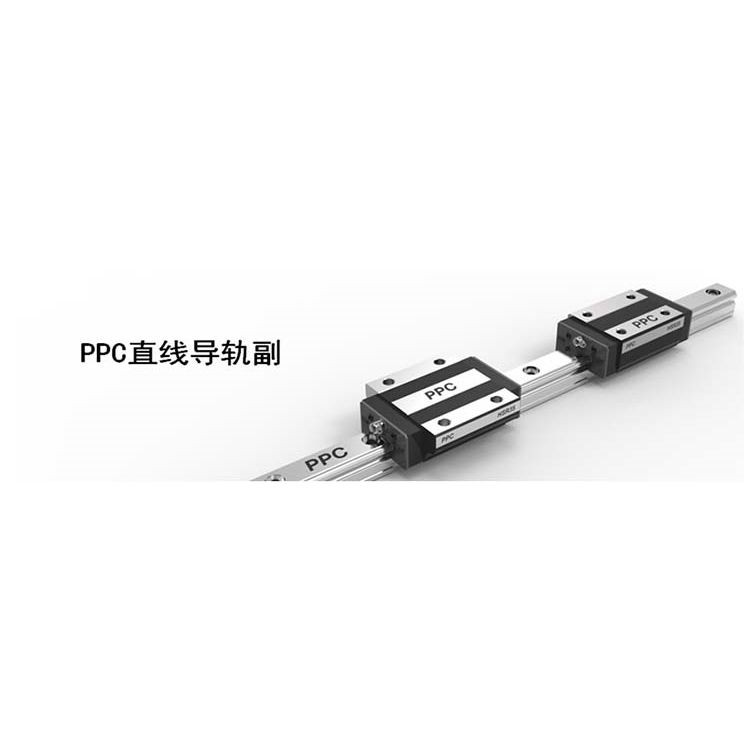

If you're in the market for high - quality linear guides and need help with noise reduction or any other issues, don't hesitate to reach out. We're here to assist you in finding the best solutions for your specific needs. Whether you're working on a small DIY project or a large - scale industrial application, we have the expertise and products to meet your requirements. Contact us for a consultation and let's start making your linear guide work quieter and more efficiently!
References
- Engineering Handbook on Linear Motion Systems
- Manufacturer's Guides on Linear Guide Installation and Maintenance
