

Hey there, fellow CNC enthusiasts! If you're in the world of CNC machining, you know how crucial it is to keep your equipment in top-notch condition. One of the key components that often takes a beating is the CNC slide rails. Over time, these rails can get damaged due to wear and tear, improper use, or just plain old age. In this blog, I'm going to walk you through the process of replacing damaged CNC slide rails. And by the way, I'm from a CNC Slide Rails supplier, so I've got some insider knowledge to share with you.
Why Replace Damaged CNC Slide Rails?
First off, let's talk about why it's so important to replace damaged CNC slide rails. When your slide rails are in bad shape, it can have a huge impact on the performance of your CNC machine. You might notice issues like poor accuracy, rough movement, or even strange noises coming from the machine. These problems can lead to lower quality parts, increased production time, and even damage to other components of the machine. So, replacing the damaged slide rails is not just a matter of fixing a small issue; it's a crucial step in maintaining the overall health and performance of your CNC machine.
Signs of Damaged CNC Slide Rails
Before you start the replacement process, you need to be able to identify if your slide rails are actually damaged. Here are some common signs to look out for:
- Visible Wear: Check the surface of the slide rails for any signs of scratches, grooves, or uneven wear. If you can see obvious damage, it's a clear indication that the rails need to be replaced.
- Poor Movement: If the slide on the rails feels rough, jerky, or doesn't move smoothly, it could be a sign of damage. You might also notice that the slide doesn't move as far as it should or that it gets stuck in certain positions.
- Noise: Unusual noises, such as grinding, clicking, or rattling, can indicate that the slide rails are damaged. These noises are often caused by the friction between the damaged rails and the slide.
- Reduced Accuracy: If your CNC machine is producing parts with lower accuracy than usual, it could be due to damaged slide rails. The rails play a crucial role in guiding the movement of the cutting tool, so any damage can affect the precision of the cuts.
Tools and Materials You'll Need
Once you've determined that your slide rails are damaged, it's time to gather the tools and materials you'll need for the replacement process. Here's a list of the essentials:
- Replacement Slide Rails: Of course, you'll need to get a new set of Cnc Slide Rails that are compatible with your CNC machine. Make sure to choose high-quality rails from a reputable supplier to ensure long-lasting performance.
- Allen Wrenches: You'll need these to remove and install the screws that hold the slide rails in place.
- Screwdriver: Depending on the type of screws used, you might also need a screwdriver.
- Cleaning Supplies: Before installing the new slide rails, you'll need to clean the mounting surface to ensure a proper fit. You can use a degreaser, a clean cloth, and some compressed air to clean the area.
- Lubricant: Once the new slide rails are installed, you'll need to lubricate them to ensure smooth movement. Make sure to use a lubricant that is recommended for CNC slide rails.
Step-by-Step Replacement Process
Now that you have all the tools and materials ready, it's time to start the replacement process. Here's a step-by-step guide to help you through it:
- Power Off the Machine: Before you start working on the CNC machine, make sure to turn off the power and unplug it from the electrical outlet. This will prevent any accidental injuries or damage to the machine.
- Remove the Old Slide Rails: Use the Allen wrenches or screwdriver to remove the screws that hold the old slide rails in place. Carefully lift the old rails off the mounting surface and set them aside.
- Clean the Mounting Surface: Use the cleaning supplies to clean the mounting surface where the old slide rails were located. Make sure to remove any dirt, debris, or old lubricant from the surface.
- Install the New Slide Rails: Place the new Cnc Slide Rails on the mounting surface and align them with the holes. Insert the screws and tighten them using the Allen wrenches or screwdriver. Make sure to tighten the screws evenly to ensure a proper fit.
- Lubricate the Slide Rails: Apply a thin layer of lubricant to the surface of the new slide rails. Make sure to cover the entire length of the rails to ensure smooth movement.
- Test the Slide: Once the new slide rails are installed and lubricated, test the slide to make sure it moves smoothly. Turn on the power to the CNC machine and move the slide back and forth a few times to check for any issues.
Types of CNC Slide Rails
There are different types of CNC slide rails available in the market, each with its own advantages and disadvantages. Here are some of the most common types:
- Ball Guideways: Ball guideways use balls to reduce friction between the slide and the rail. They offer high precision, smooth movement, and are suitable for high-speed applications. You can find more information about them on our Motion Linear Guide page.
- Roller Guideways: Roller guideways use rollers instead of balls to reduce friction. They are more rigid and can handle higher loads than ball guideways. Check out our Roller Guideways for more details.
- Box Ways: Box ways are a traditional type of slide rail that uses a rectangular-shaped guide. They are known for their durability and ability to handle heavy loads, but they can be more prone to wear and tear.
Tips for Maintaining Your CNC Slide Rails
To extend the lifespan of your CNC slide rails and prevent future damage, here are some tips for maintenance:
- Regular Cleaning: Clean the slide rails regularly to remove any dirt, debris, or chips that can cause wear and tear.
- Proper Lubrication: Make sure to lubricate the slide rails according to the manufacturer's recommendations. This will reduce friction and prevent premature wear.
- Avoid Overloading: Don't exceed the maximum load capacity of the slide rails. Overloading can cause damage to the rails and other components of the machine.
- Inspect Regularly: Check the slide rails for any signs of damage or wear on a regular basis. Catching problems early can prevent more serious issues down the road.
Conclusion
Replacing damaged CNC slide rails is an important part of maintaining the performance and longevity of your CNC machine. By following the steps outlined in this blog, you can replace the slide rails safely and effectively. Remember to choose high-quality Cnc Slide Rails from a reputable supplier and follow the maintenance tips to keep your slide rails in top condition.

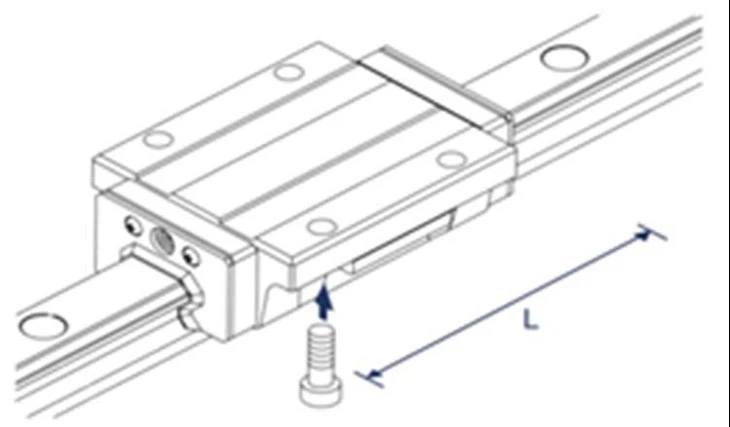
If you're in the market for new CNC slide rails or have any questions about the replacement process, don't hesitate to reach out. We're here to help you find the right solution for your CNC machine. Whether you need advice on the best type of slide rails for your application or assistance with installation, we've got you covered. Let's work together to keep your CNC machine running smoothly and efficiently.
References
- "CNC Machine Tool Handbook" by Brian J. Reece
- "Modern Machining Technology" by Robert L. Todd
