

As a seasoned supplier of linear guides, I've witnessed firsthand the transformative impact these components have on various industries. Linear guides are the unsung heroes of precision machinery, enabling smooth and accurate linear motion in everything from industrial automation systems to high-tech medical devices. One of the most critical aspects of utilizing linear guides effectively is understanding the proper mounting methods. In this blog post, I'll delve into the different mounting methods of linear guides, sharing insights and best practices based on my years of experience in the field.
Types of Linear Guide Mounting Methods
There are several mounting methods for linear guides, each with its own advantages and considerations. The choice of mounting method depends on factors such as the application requirements, the type of linear guide, and the machine's design. Here are some of the most common mounting methods:
1. Bolt Mounting
Bolt mounting is the most straightforward and widely used method for installing linear guides. It involves using bolts to secure the linear guide to the mounting surface. This method provides a secure and rigid connection, ensuring the guide maintains its position and alignment during operation.
To mount a linear guide using bolts, follow these steps:
- Prepare the Mounting Surface: Ensure the mounting surface is clean, flat, and free of any debris or burrs. Use a precision measuring tool to check the flatness of the surface and make any necessary adjustments.
- Position the Linear Guide: Place the linear guide on the mounting surface, aligning it with the desired position. Use alignment pins or fixtures to ensure accurate positioning.
- Drill Holes: Mark the locations of the bolt holes on the mounting surface using the linear guide as a template. Drill the holes to the appropriate size and depth, following the manufacturer's specifications.
- Insert Bolts: Insert the bolts through the holes in the linear guide and into the mounting surface. Tighten the bolts gradually and evenly, using a torque wrench to ensure the correct torque is applied.
Bolt mounting is suitable for most applications, especially those that require high precision and stability. However, it may not be suitable for applications where frequent disassembly and reassembly are required, as the bolts can become loose over time.
2. Adhesive Mounting
Adhesive mounting involves using a high-strength adhesive to bond the linear guide to the mounting surface. This method is ideal for applications where drilling holes in the mounting surface is not possible or desirable, such as on thin or delicate materials.
To mount a linear guide using adhesive, follow these steps:
- Prepare the Mounting Surface: Clean the mounting surface thoroughly to remove any dirt, oil, or grease. Use a degreaser or solvent to ensure the surface is clean and dry.
- Apply Adhesive: Apply a thin layer of adhesive to the mounting surface, following the manufacturer's instructions. Use a spreader or brush to ensure the adhesive is evenly distributed.
- Position the Linear Guide: Place the linear guide on the adhesive-coated mounting surface, aligning it with the desired position. Apply pressure to the linear guide to ensure good contact with the adhesive.
- Cure the Adhesive: Allow the adhesive to cure for the recommended time, following the manufacturer's instructions. This may involve applying heat or pressure to accelerate the curing process.
Adhesive mounting provides a strong and reliable bond, but it may not be as rigid as bolt mounting. It is also important to choose the right adhesive for the application, as different adhesives have different properties and strengths.
3. Clamp Mounting
Clamp mounting involves using clamps to secure the linear guide to the mounting surface. This method is suitable for applications where the linear guide needs to be easily removable or adjustable.
To mount a linear guide using clamps, follow these steps:
- Prepare the Mounting Surface: Ensure the mounting surface is clean and flat. Use a precision measuring tool to check the flatness of the surface and make any necessary adjustments.
- Position the Linear Guide: Place the linear guide on the mounting surface, aligning it with the desired position. Use alignment pins or fixtures to ensure accurate positioning.
- Install Clamps: Install the clamps on the linear guide, tightening them gradually and evenly to secure the guide to the mounting surface. Use a torque wrench to ensure the correct torque is applied.
Clamp mounting provides a quick and easy way to install and remove linear guides, but it may not be as rigid as bolt mounting. It is also important to ensure the clamps are properly tightened to prevent the linear guide from moving during operation.
Factors to Consider When Choosing a Mounting Method
When choosing a mounting method for linear guides, there are several factors to consider, including:
1. Application Requirements
The application requirements will determine the type of mounting method that is most suitable. For example, applications that require high precision and stability may require bolt mounting, while applications that require frequent disassembly and reassembly may be better suited for clamp mounting.
2. Mounting Surface
The type and condition of the mounting surface will also affect the choice of mounting method. For example, if the mounting surface is thin or delicate, adhesive mounting may be the best option. If the mounting surface is thick and rigid, bolt mounting may be more suitable.
3. Linear Guide Type
Different types of linear guides may require different mounting methods. For example, some linear guides may have built-in mounting features, such as dovetail grooves or T-slots, that make them easier to mount using specific methods.
4. Cost and Time
The cost and time required for each mounting method should also be considered. Bolt mounting is generally the most cost-effective and time-efficient method, while adhesive mounting may be more expensive and time-consuming.
Best Practices for Mounting Linear Guides
Regardless of the mounting method you choose, there are some best practices that you should follow to ensure the proper installation and performance of linear guides:
- Follow the Manufacturer's Instructions: Always follow the manufacturer's instructions when mounting linear guides. This includes using the correct mounting hardware, applying the correct torque, and following the recommended installation procedures.
- Use Precision Measuring Tools: Use precision measuring tools, such as micrometers, calipers, and dial indicators, to ensure accurate positioning and alignment of the linear guide. This will help to minimize errors and ensure the smooth operation of the linear guide.
- Inspect the Linear Guide: Before mounting the linear guide, inspect it for any damage or defects. Check the surface finish, the accuracy of the rails, and the condition of the bearings. If any issues are found, contact the manufacturer for assistance.
- Test the Linear Guide: After mounting the linear guide, test it to ensure it is functioning properly. Move the carriage along the rail and check for smooth operation, without any binding or excessive noise. If any issues are found, make the necessary adjustments or contact the manufacturer for assistance.
Conclusion
Understanding the different mounting methods of linear guides is essential for ensuring the proper installation and performance of these critical components. By choosing the right mounting method for your application and following the best practices outlined in this blog post, you can ensure the smooth and accurate operation of your machinery.
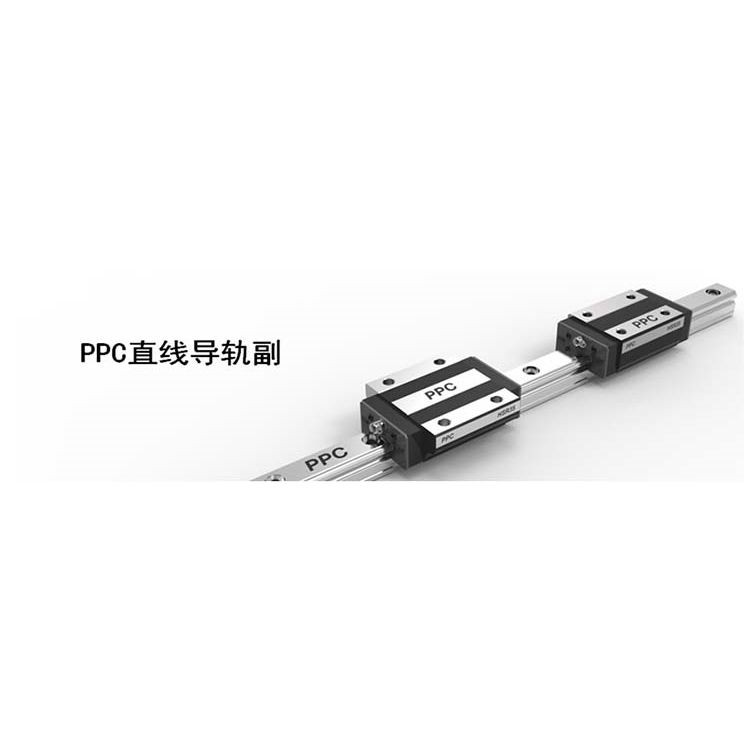

At [Company Name], we are a leading supplier of high-quality linear guides, offering a wide range of products to meet the needs of various industries. Our linear guides are designed and manufactured to the highest standards of quality and precision, ensuring reliable performance and long service life. Whether you need Cnc Slide Rails, Sliding Guideways, or Motion Linear Guide, we have the expertise and experience to provide you with the right solution.
If you have any questions or need assistance with choosing the right linear guide or mounting method for your application, please don't hesitate to contact us. Our team of experts is available to provide you with personalized advice and support, helping you to make the best decision for your business.
References
- "Linear Guide Installation and Maintenance Guide," Manufacturer's Manual.
- "Precision Linear Motion Technology," Industry Publication.
- "Best Practices for Mounting Linear Guides," Technical Report.
