

What is the noise level of a Rotary Spline during operation?
As a supplier of Rotary Splines, I often receive inquiries from customers about the noise level of these products during operation. Noise can be a critical factor in many applications, especially those where a quiet working environment is required, such as in precision manufacturing, medical equipment, and automation systems. In this blog post, I will delve into the factors that influence the noise level of a Rotary Spline and provide some insights on how to manage and reduce it.
Understanding Rotary Splines
Before we discuss the noise level, let's briefly understand what a Rotary Spline is. A Rotary Spline is a mechanical component that combines linear and rotational motion. It consists of a shaft with a series of grooves or splines and a matching nut or housing. The splines allow for smooth linear movement along the shaft while enabling rotational motion simultaneously. This unique design makes Rotary Splines ideal for applications that require both linear and rotary motion, such as robotic arms, CNC machines, and printing presses.
Factors Affecting the Noise Level of Rotary Splines
Several factors can influence the noise level of a Rotary Spline during operation. Understanding these factors is crucial for selecting the right product and implementing appropriate noise reduction measures.
1. Design and Manufacturing Quality
The design and manufacturing quality of a Rotary Spline play a significant role in determining its noise level. A well-designed spline with precise dimensions and smooth surfaces will generate less noise compared to a poorly designed one. High-quality materials and advanced manufacturing processes ensure better fit and alignment between the shaft and the nut, reducing friction and vibration. For example, our Bfsy Rotary Ball Spline is engineered with precision to minimize noise and ensure smooth operation.
2. Load and Speed
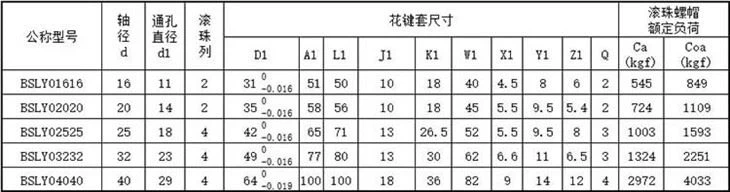
The load and speed at which a Rotary Spline operates also affect its noise level. Higher loads and speeds can increase the friction and vibration between the spline components, resulting in more noise. It is essential to select a Rotary Spline that is rated for the specific load and speed requirements of your application. Our Bsly Rotary Ball Spline is available in different load and speed ratings to meet the diverse needs of our customers.
3. Lubrication
Proper lubrication is crucial for reducing the noise level of a Rotary Spline. Lubricants help to reduce friction and wear between the spline components, resulting in smoother operation and less noise. It is important to use the right type of lubricant and apply it at the recommended intervals. Our Blsy Rotary Ball Spline comes with a lubrication system that ensures optimal performance and noise reduction.
4. Installation and Alignment
Incorrect installation and alignment can also contribute to increased noise levels. A misaligned spline can cause uneven loading and excessive vibration, leading to more noise. It is essential to follow the manufacturer's installation instructions carefully and ensure proper alignment of the spline components. Our technical support team can provide guidance on the installation and alignment of our Rotary Splines to ensure optimal performance and noise reduction.
Measuring the Noise Level of Rotary Splines
To accurately measure the noise level of a Rotary Spline, a sound level meter can be used. The sound level meter measures the sound pressure level in decibels (dB). The noise level of a Rotary Spline is typically measured in a controlled environment, such as a laboratory, to minimize the influence of external noise sources.
When measuring the noise level, it is important to consider the following factors:

- Distance: The distance between the sound level meter and the Rotary Spline can affect the measured noise level. It is recommended to measure the noise level at a fixed distance from the spline, typically 1 meter.
- Background Noise: The background noise in the measurement environment can also affect the measured noise level. It is important to measure the background noise level before measuring the noise level of the Rotary Spline and subtract it from the measured value to obtain the actual noise level of the spline.
- Operating Conditions: The noise level of a Rotary Spline can vary depending on the operating conditions, such as load, speed, and lubrication. It is important to measure the noise level under the same operating conditions as the actual application to obtain accurate results.
Managing and Reducing the Noise Level of Rotary Splines
Based on the factors that affect the noise level of Rotary Splines, here are some strategies for managing and reducing it:
1. Select the Right Product
Choosing the right Rotary Spline for your application is the first step in managing and reducing the noise level. Consider the load, speed, and noise requirements of your application when selecting a spline. Our technical support team can help you select the most suitable product based on your specific needs.
2. Optimize the Operating Conditions
Optimizing the operating conditions of the Rotary Spline can also help to reduce the noise level. This includes ensuring proper lubrication, maintaining the recommended load and speed, and avoiding overloading or overspeeding the spline.
3. Improve the Installation and Alignment
Proper installation and alignment of the Rotary Spline are crucial for reducing the noise level. Follow the manufacturer's installation instructions carefully and ensure proper alignment of the spline components. Our technical support team can provide guidance on the installation and alignment of our Rotary Splines to ensure optimal performance and noise reduction.
4. Use Noise Reduction Measures
In some cases, additional noise reduction measures may be required to meet the noise requirements of your application. This can include using vibration dampers, noise enclosures, or acoustic insulation. Our technical support team can provide recommendations on the most suitable noise reduction measures for your specific application.
Conclusion
The noise level of a Rotary Spline during operation is influenced by several factors, including design and manufacturing quality, load and speed, lubrication, and installation and alignment. By understanding these factors and implementing appropriate noise reduction measures, you can manage and reduce the noise level of your Rotary Spline, ensuring a quiet and efficient working environment.
If you are interested in learning more about our Rotary Splines or have any questions about the noise level or other performance characteristics, please do not hesitate to contact us. Our team of experts is ready to assist you in selecting the right product for your application and providing technical support throughout the process. Let's work together to find the best solution for your needs.
References
- "Mechanical Design Handbook" by Robert C. Juvinall and Kurt M. Marshek
- "Fundamentals of Machine Elements" by J.E. Shigley and C.R. Mischke
