

When it comes to linear motion systems, the choice between a recirculating ball linear guide and a roller linear guide is a critical decision that can significantly impact the performance, efficiency, and longevity of your machinery. As a seasoned linear guide supplier, I've witnessed firsthand the diverse requirements of various industries and the unique challenges they face. In this blog post, I'll delve into the intricacies of these two types of linear guides, comparing their features, advantages, and limitations to help you make an informed choice for your specific application.
Understanding Recirculating Ball Linear Guides
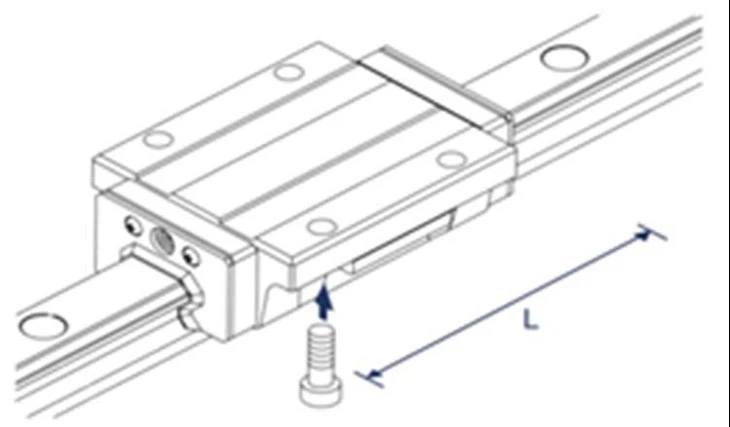
Recirculating ball linear guides are a popular choice in many industries due to their high precision, smooth operation, and relatively low cost. These guides consist of a rail and a carriage, with balls circulating within the carriage to provide support and reduce friction. The balls are typically made of high-quality steel and are precisely engineered to ensure consistent performance.
One of the key advantages of recirculating ball linear guides is their high load capacity. The balls distribute the load evenly across the guide, allowing for the handling of heavy loads with minimal deflection. This makes them ideal for applications that require high precision and stability, such as machine tools, robotics, and automation systems.
Another advantage of recirculating ball linear guides is their smooth operation. The rolling motion of the balls reduces friction, resulting in smooth and quiet movement. This not only improves the overall performance of the machinery but also reduces wear and tear on the guide components, extending their lifespan.
However, recirculating ball linear guides also have some limitations. One of the main drawbacks is their relatively low rigidity compared to roller linear guides. The balls are small and have a limited contact area with the rail, which can result in some deflection under heavy loads. This can affect the accuracy and precision of the linear motion, especially in applications that require high stiffness.
Exploring Roller Linear Guides
Roller linear guides, on the other hand, are designed to provide higher rigidity and load capacity than recirculating ball linear guides. These guides use cylindrical rollers instead of balls to support the load, which increases the contact area between the roller and the rail. This results in higher stiffness and better resistance to deflection, making them suitable for applications that require high precision and heavy loads.
One of the key advantages of roller linear guides is their high load capacity. The larger contact area of the rollers allows them to distribute the load more evenly, enabling them to handle heavier loads than recirculating ball linear guides. This makes them ideal for applications such as heavy machinery, presses, and large-scale automation systems.
Another advantage of roller linear guides is their high rigidity. The increased contact area between the rollers and the rail provides better support and reduces deflection, resulting in higher accuracy and precision. This makes them suitable for applications that require high stiffness, such as precision machining and measuring equipment.

However, roller linear guides also have some limitations. One of the main drawbacks is their higher cost compared to recirculating ball linear guides. The more complex design and manufacturing process of roller linear guides result in a higher price point, which may not be suitable for all applications.
Comparing Recirculating Ball and Roller Linear Guides
Now that we've explored the features and advantages of both recirculating ball and roller linear guides, let's compare them side by side to help you make an informed decision.
Load Capacity
As mentioned earlier, roller linear guides generally have a higher load capacity than recirculating ball linear guides. The larger contact area of the rollers allows them to distribute the load more evenly, enabling them to handle heavier loads with less deflection. If your application requires the handling of heavy loads, roller linear guides may be the better choice.
Rigidity
Roller linear guides also offer higher rigidity than recirculating ball linear guides. The increased contact area between the rollers and the rail provides better support and reduces deflection, resulting in higher accuracy and precision. If your application requires high stiffness, such as precision machining or measuring equipment, roller linear guides may be more suitable.
Smoothness of Operation
Recirculating ball linear guides are known for their smooth operation. The rolling motion of the balls reduces friction, resulting in smooth and quiet movement. This makes them ideal for applications that require smooth and precise linear motion, such as robotics and automation systems.
Cost
Recirculating ball linear guides are generally more cost-effective than roller linear guides. The simpler design and manufacturing process of recirculating ball linear guides result in a lower price point, making them a popular choice for applications with budget constraints.
Application Specifics
The choice between recirculating ball and roller linear guides also depends on the specific requirements of your application. For example, if your application requires high speed and low friction, recirculating ball linear guides may be the better choice. On the other hand, if your application requires high load capacity and rigidity, roller linear guides may be more suitable.
Making the Right Choice
When choosing between a recirculating ball linear guide and a roller linear guide, it's important to consider the specific requirements of your application. Here are some factors to consider:

- Load Capacity: Determine the maximum load that your linear guide will need to support. If you need to handle heavy loads, roller linear guides may be the better choice.
- Rigidity: Consider the level of stiffness required for your application. If you need high precision and accuracy, roller linear guides may be more suitable.
- Smoothness of Operation: Think about the type of motion required for your application. If you need smooth and quiet movement, recirculating ball linear guides may be the better option.
- Cost: Evaluate your budget and determine how much you're willing to spend on a linear guide. Recirculating ball linear guides are generally more cost-effective than roller linear guides.
- Application Specifics: Consider any other specific requirements of your application, such as speed, acceleration, and environmental conditions.
Conclusion
In conclusion, the choice between a recirculating ball linear guide and a roller linear guide depends on the specific requirements of your application. Both types of linear guides have their own advantages and limitations, and it's important to carefully evaluate your needs before making a decision.
As a linear guide supplier, we offer a wide range of Roller Guideways, Sliding Guideways, and Cnc Slide Rails to meet the diverse needs of our customers. Our team of experts is available to provide you with personalized advice and support to help you choose the right linear guide for your application.
If you're interested in learning more about our linear guide products or have any questions, please don't hesitate to contact us. We look forward to working with you to find the perfect solution for your linear motion needs.
References
- "Linear Motion Technology Handbook," Thomson Industries, Inc.
- "Engineering Guide for Linear Motion," Bosch Rexroth AG.
- "Linear Guides: Selection and Application," HIWIN Technologies Corporation.
