

Installing a ball screw is a crucial process that requires precision and careful attention to detail. As a ball screw supplier, I understand the importance of providing clear guidance on how to install these components correctly. In this blog post, I will walk you through the step-by-step process of installing a ball screw, highlighting key considerations and best practices along the way.
Understanding the Basics of Ball Screws
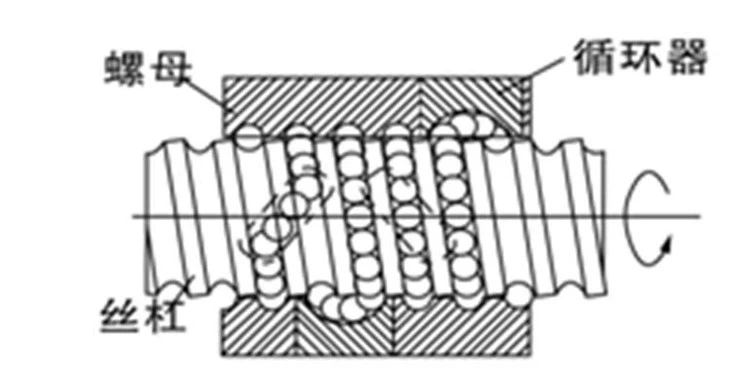
Before diving into the installation process, it's essential to have a basic understanding of what ball screws are and how they work. A ball screw is a mechanical linear actuator that converts rotational motion into linear motion with high efficiency and accuracy. It consists of a screw shaft, a nut, and a series of ball bearings that roll between the screw and the nut, reducing friction and enabling smooth movement.
Ball screws are widely used in various industries, including manufacturing, automation, robotics, and aerospace, due to their high precision, load-carrying capacity, and long service life. They are commonly found in applications such as CNC machines, 3D printers, linear motion systems, and more.

Pre-Installation Preparations
Before you begin the installation process, it's important to make sure you have all the necessary tools and equipment on hand. Here are some of the tools you may need:
- Wrenches and sockets: To tighten the mounting bolts and nuts.
- Torque wrench: To ensure the proper torque is applied when tightening the bolts.
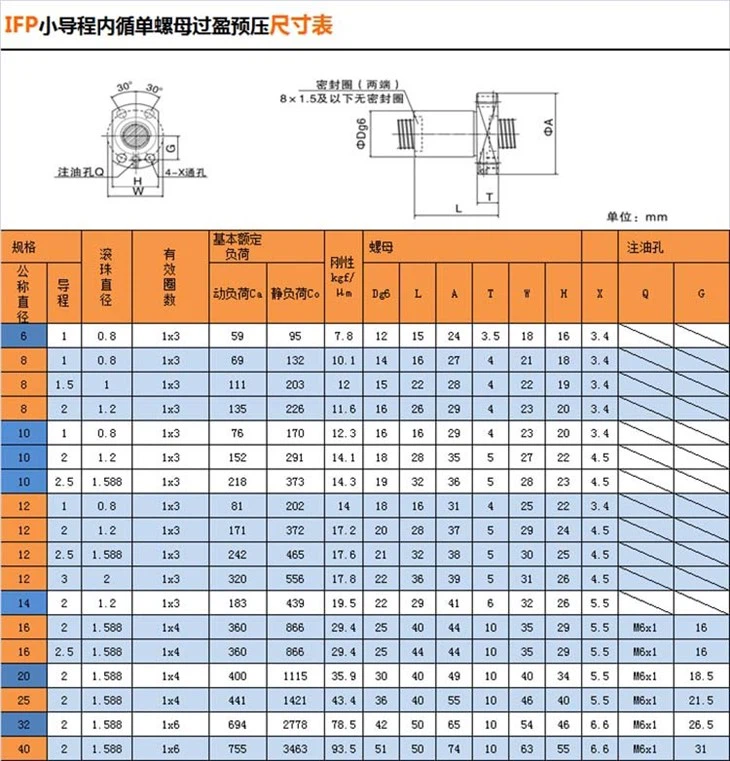
- Measuring tools: Such as calipers and micrometers, to check the dimensions of the ball screw and the mounting components.
- Cleaning supplies: To clean the mounting surfaces and remove any dirt, debris, or grease.
- Lubricant: To lubricate the ball screw and the nut to reduce friction and wear.
In addition to having the right tools, it's also important to carefully review the installation instructions provided by the manufacturer. These instructions will typically include detailed information on the installation process, torque specifications, and any special considerations or precautions that need to be taken.
Step-by-Step Installation Process
Once you have all the necessary tools and have reviewed the installation instructions, you can begin the installation process. Here are the general steps involved in installing a ball screw:
Step 1: Prepare the Mounting Surfaces
The first step is to prepare the mounting surfaces where the ball screw and the nut will be installed. These surfaces should be clean, flat, and free of any dirt, debris, or grease. Use a cleaning solution and a lint-free cloth to clean the surfaces thoroughly.
Step 2: Install the Support Bearings
Next, install the support bearings that will support the ball screw shaft. These bearings are typically located at the ends of the shaft and are used to provide support and reduce friction. Follow the manufacturer's instructions to install the bearings correctly, making sure to align them properly and tighten the mounting bolts to the specified torque.
Step 3: Install the Ball Screw Shaft
Once the support bearings are installed, you can install the ball screw shaft. Carefully insert the shaft into the bearings, making sure it is aligned properly. Use a torque wrench to tighten the mounting bolts to the specified torque.
Step 4: Install the Ball Nut
After the ball screw shaft is installed, you can install the ball nut. Slide the nut onto the shaft, making sure it is aligned properly. Use a torque wrench to tighten the mounting bolts to the specified torque.
Step 5: Connect the Drive System
Once the ball screw and the nut are installed, you can connect the drive system. This may include a motor, a coupling, and a gearbox. Follow the manufacturer's instructions to connect the drive system correctly, making sure to align the components properly and tighten the mounting bolts to the specified torque.
Step 6: Lubricate the Ball Screw
Before operating the ball screw, it's important to lubricate it to reduce friction and wear. Apply a small amount of lubricant to the ball screw shaft and the nut, following the manufacturer's recommendations.
Step 7: Test the System
Once the installation is complete, it's important to test the system to make sure it is working properly. Turn on the drive system and slowly move the ball screw back and forth to check for smooth operation. If you notice any issues or problems, such as excessive noise or vibration, stop the system immediately and troubleshoot the problem.
Key Considerations and Best Practices
Installing a ball screw requires precision and attention to detail. Here are some key considerations and best practices to keep in mind:

- Proper alignment: Make sure the ball screw and the nut are properly aligned to ensure smooth operation and prevent premature wear.
- Correct torque: Use a torque wrench to tighten the mounting bolts to the specified torque. Over-tightening or under-tightening the bolts can cause problems and reduce the lifespan of the ball screw.
- Lubrication: Regularly lubricate the ball screw and the nut to reduce friction and wear. Follow the manufacturer's recommendations for the type and frequency of lubrication.
- Maintenance: Perform regular maintenance on the ball screw system to ensure it is working properly and to prevent any potential problems. This may include cleaning, inspection, and replacement of worn components.
Conclusion
Installing a ball screw is a complex process that requires precision and careful attention to detail. By following the steps outlined in this blog post and keeping the key considerations and best practices in mind, you can ensure a successful installation and a long-lasting ball screw system.
If you are in the market for a high-quality ball screw, look no further. As a leading Linear Motion Screw supplier, we offer a wide range of Samll Ball Screw products to meet your specific needs. Our team of experts is available to provide you with technical support and guidance throughout the installation process.
Whether you are a manufacturer, an engineer, or a hobbyist, we have the expertise and the products you need to get the job done right. Contact us today to learn more about our ball screw products and to discuss your specific requirements. We look forward to working with you and helping you find the perfect ball screw solution for your application.
References
- Manufacturer's installation instructions
- Industry standards and guidelines for ball screw installation
- Technical literature on ball screw design and operation
